

Understanding the Past and Present of Chinese Martial Arts
When Chinese martial arts are mentioned, many people picture swordsmen leaping across rooftops in films, or fast-paced punches and kicks in the ring. Yet true Chinese Kung Fu is far more than fighting and violence; it is more like a living history of civilization. From the first punch thrown by ancient ancestors for survival, to a fitness trend popular worldwide, every step in the evolution of martial arts bear the deep imprint of its era.
1. Prehistoric Survival: The Primordial Roots
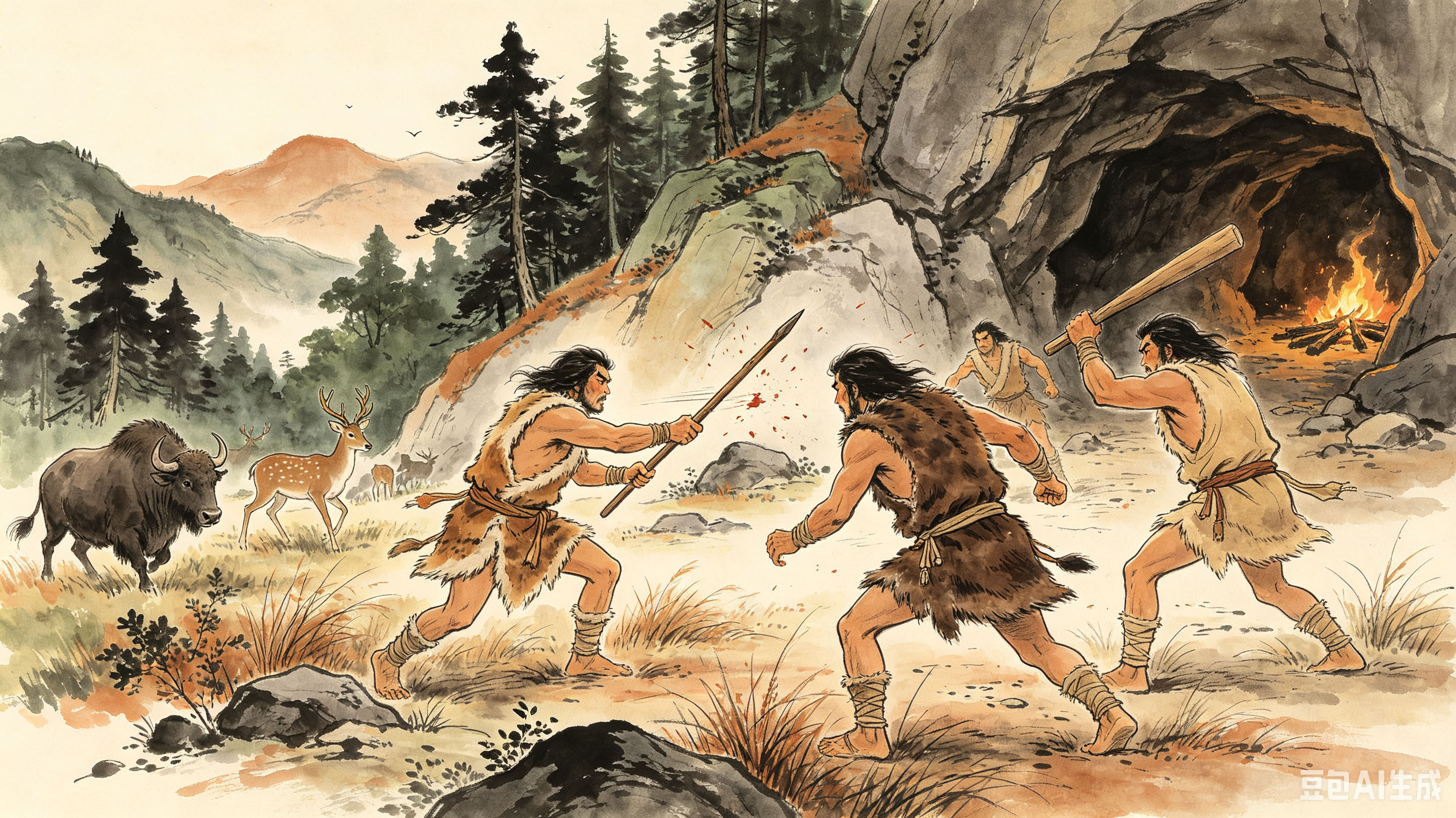
In ancient times, to survive harsh environments, ancestors gradually developed unarmed combat skills such as punching, kicking, and dodging through hunting and tribal conflicts, and learned to use wooden sticks and stone tools as weapons. These formed the most embryonic form of martial arts.
2. Shang and Zhou Dynasties: Rituals and Military Training
During the Shang and Zhou dynasties, martial arts were systematically applied to military training. The martial dance (such as “Da Wu”) that emerged then served both as a sacrificial ritual and as a means of military training to boost morale. At the same time, skills such as archery and charioteering were incorporated into the education system, laying the foundation for the militarization of martial arts.
3. Spring and Autumn Period: The Rise of Swordsmanship
Spring and Autumn and Warring States Periods: The rivalry among feudal lords drove the refinement of martial skills. Swordsmanship and fist techniques began to be systematized, and many highly skilled swordsmen emerged among the people. At the same time, the strategic thinking found in military treatises such as The Art of War (Sun Tzu) provided early intellectual support for the development of martial arts philosophy and combat theory.
4. Qin and Han Dynasties: Standardization and Entertainments
Qin and Han Dynasties: Military Standardization and Hundred Entertainments Performances. The Qin dynasty unified the forms of weapons and the standards of military training. In the Han dynasty, “Hundred Entertainments” flourished, and martial arts elements such as Jiao Di (wrestling) and sword dance were widely used in court and folk entertainment performances, promoting the popularization and artistic refinement of martial arts skills.
5. Sui and Tang Dynasties: The Imperial Martial Examinations
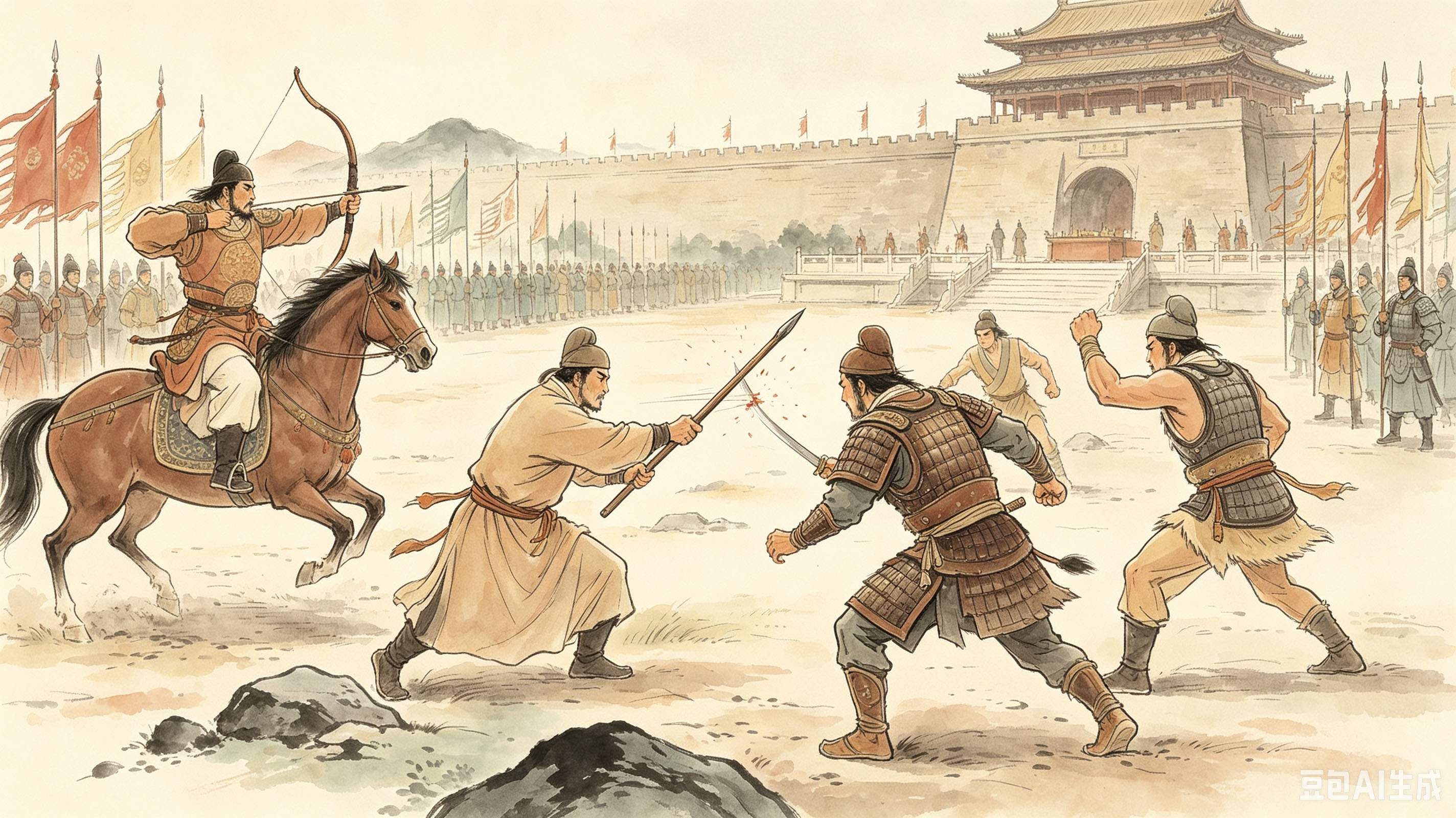
Sui and Tang Dynasties: The Establishment of the Imperial Martial Examination System. The Tang Dynasty pioneered the “Imperial Martial Examination System,” selecting martial talents proficient in horseback archery and spear technique through state examinations. This system made martial arts a path to advancement, greatly promoting the martial spirit in society, and martial arts also moved toward artistic expression and standardization.
6. Song and Yuan Dynasties: Folk Martial Arts Societies
Song and Yuan Dynasties: Folk Associations and Commercialization. The Song Dynasty saw economic prosperity, and specialized martial arts associations such as the “Yinglue Society” and “Bow-and-Arrow Society” emerged among the people, and martial arts performances became an important part of urban entertainment. Although the Yuan Dynasty restricted weapons, unarmed combat and staff technique instead developed further, absorbing the fierce techniques of nomadic peoples.
7. Ming and Qing Dynasties: Flourishing Sects and Theories
Ming and Qing Dynasties: Flourishing Schools and the Peak of Theory. This was the period when martial arts reached their full maturity. A great burst of fist styles emerged, forming complete systems such as Shaolin (External Martial Arts) alongside Tai Chi, Baguazhang, and Xingyi Quan (Internal Martial Arts). Generals such as Qi Jiguang compiled the folk boxing methods, and a large number of systematic martial arts manuals and theoretical works were published one after another.
8. Modern Era: National Essence and Global Sports
Modern Era: The Establishment of Guoshu and Going Global. During the Republic of China period, martial arts were designated as “Guoshu” (National Art), and the establishment of the Central Guoshu Institute marked the transformation of martial arts into modern sports. After the founding of the People's Republic of China, martial arts were incorporated into physical education, and with the establishment of the International Wushu Federation and the hosting of various international competitions, they formally became an important emblem for spreading Chinese culture to the world.
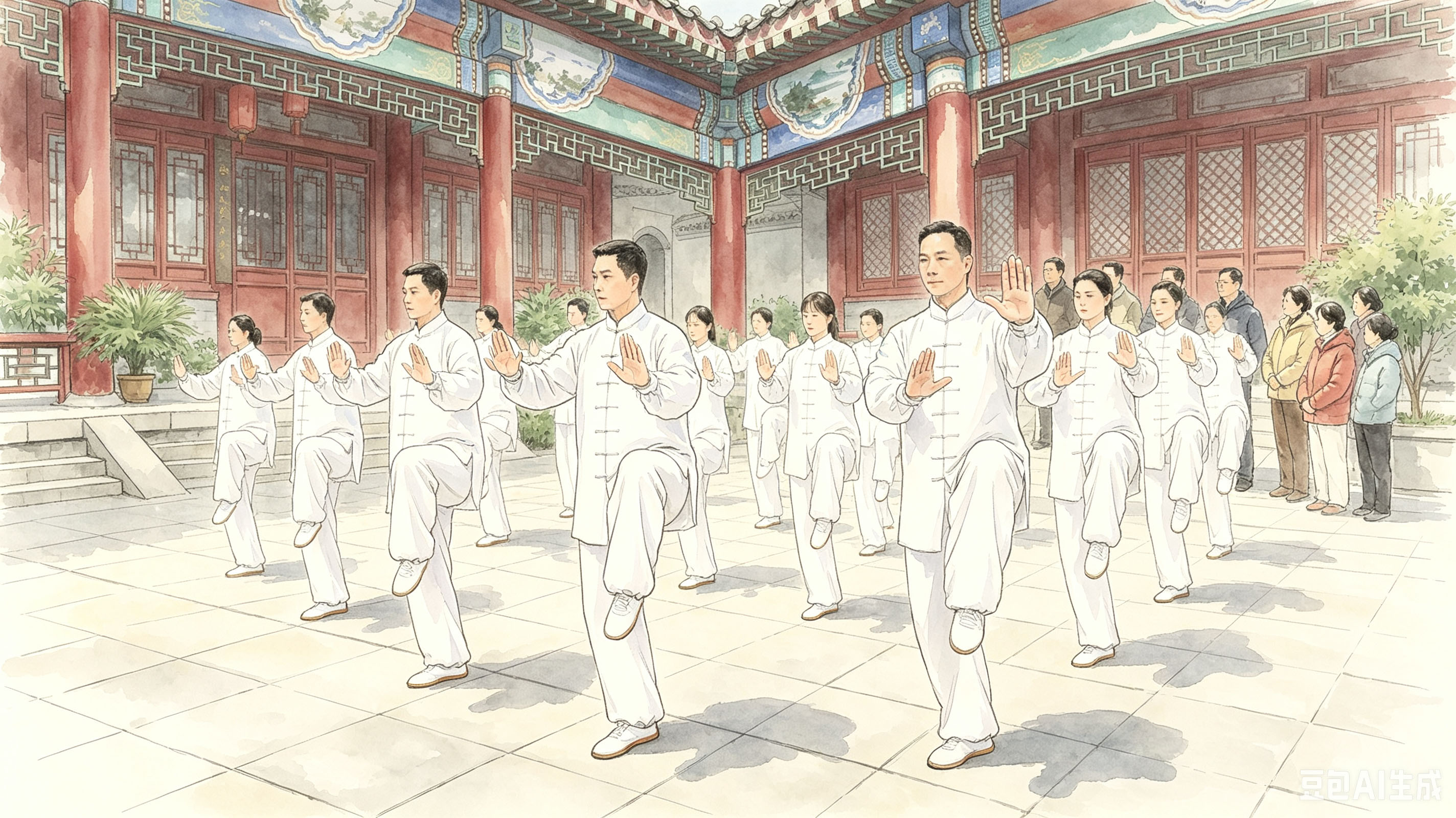
From the survival instinct of ancient times to the carrier of civilization today, Chinese martial arts have traveled an extraordinary path, evolving from brutal combat to peaceful civilization. Like a mirror, it reflects the perseverance and self-improvement of the Chinese nation; like a bridge, it connects the past with the future, and China with the world. In this noisy age, may we all draw composure and strength from the evolution of every movement and stance, and let this precious cultural heritage continue to shine in our lives!