

Decoding the Six Major Schools of Chinese Martial Arts
In Western popular culture, Chinese martial arts are often portrayed as an astounding fighting technique. But if you look deeper, you will find it is much more than that. For the Chinese, martial arts are more like a “moving body philosophy.” It is not simply a physical confrontation, but a perfect integration of ancient Eastern wisdom, geographical environment, and human physical potential. Today, let’s look past the movie lens and re-understand the six representative schools of Chinese martial arts from cultural and philosophical perspectives.
1. Shaolin School: Ultimate Self-Discipline and Unity of Zen and Martial Arts
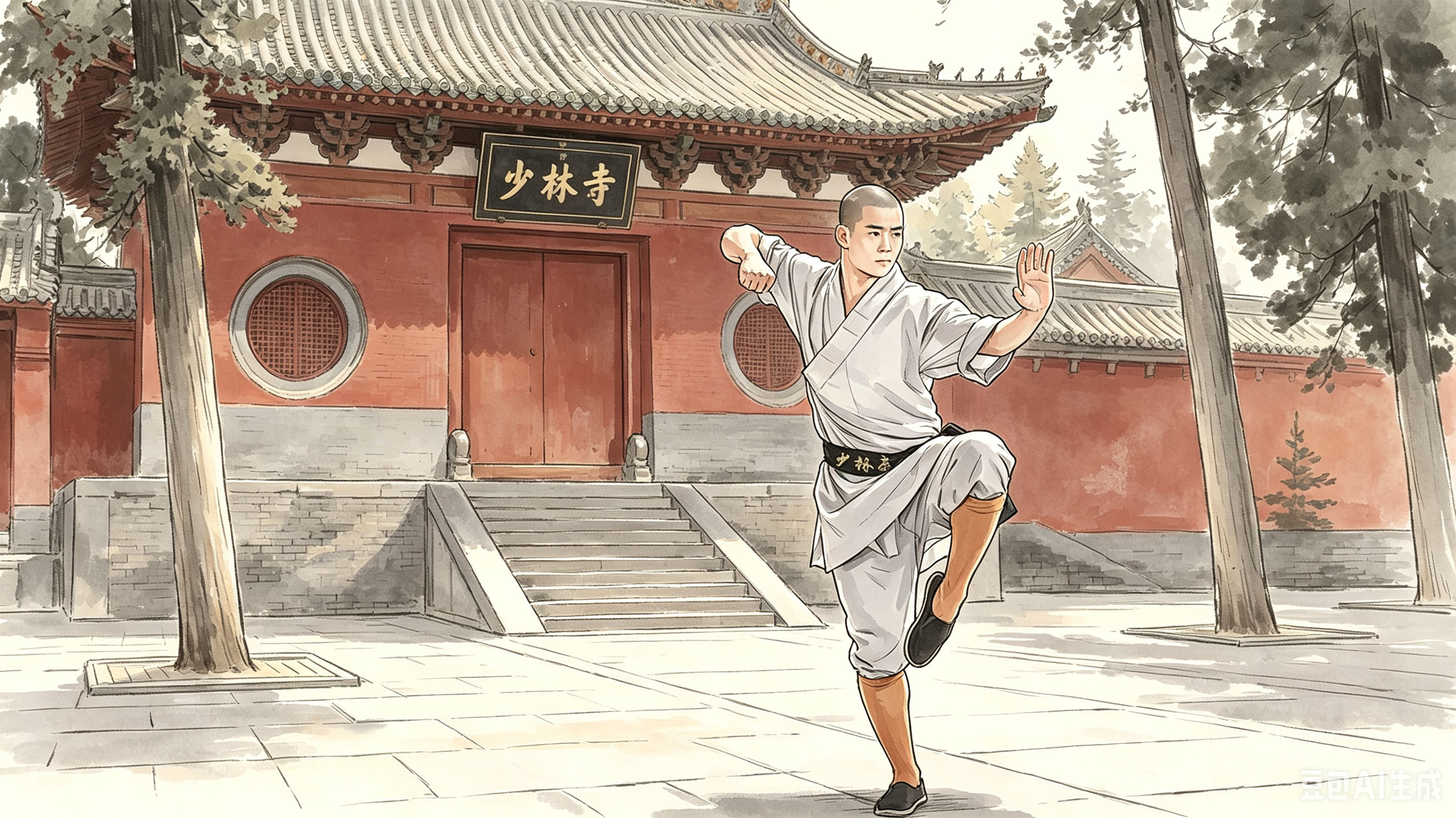
In the West, Shaolin is almost synonymous with Chinese Kung Fu. Born on Mount Song in Henan Province, it represents the pinnacle of “External Martial Arts” within Chinese martial arts. The core philosophy of Shaolin Martial Arts are “Unity of Zen and Martial Arts”–seeking inner peace through extreme physical training. This resonates strongly with the Western pursuit of “mindfulness” and “self-discipline.” Shaolin techniques are fierce and direct, emphasizing the extreme conditioning of sinews, bones, and muscles. Its iconic “Five Animals Exercise” (imitating the dragon, tiger, leopard, snake, and crane) demonstrates the ultimate human imitation of natural power and control over the body.
2. Wudang School: Flowing Energy and Taoist Wisdom
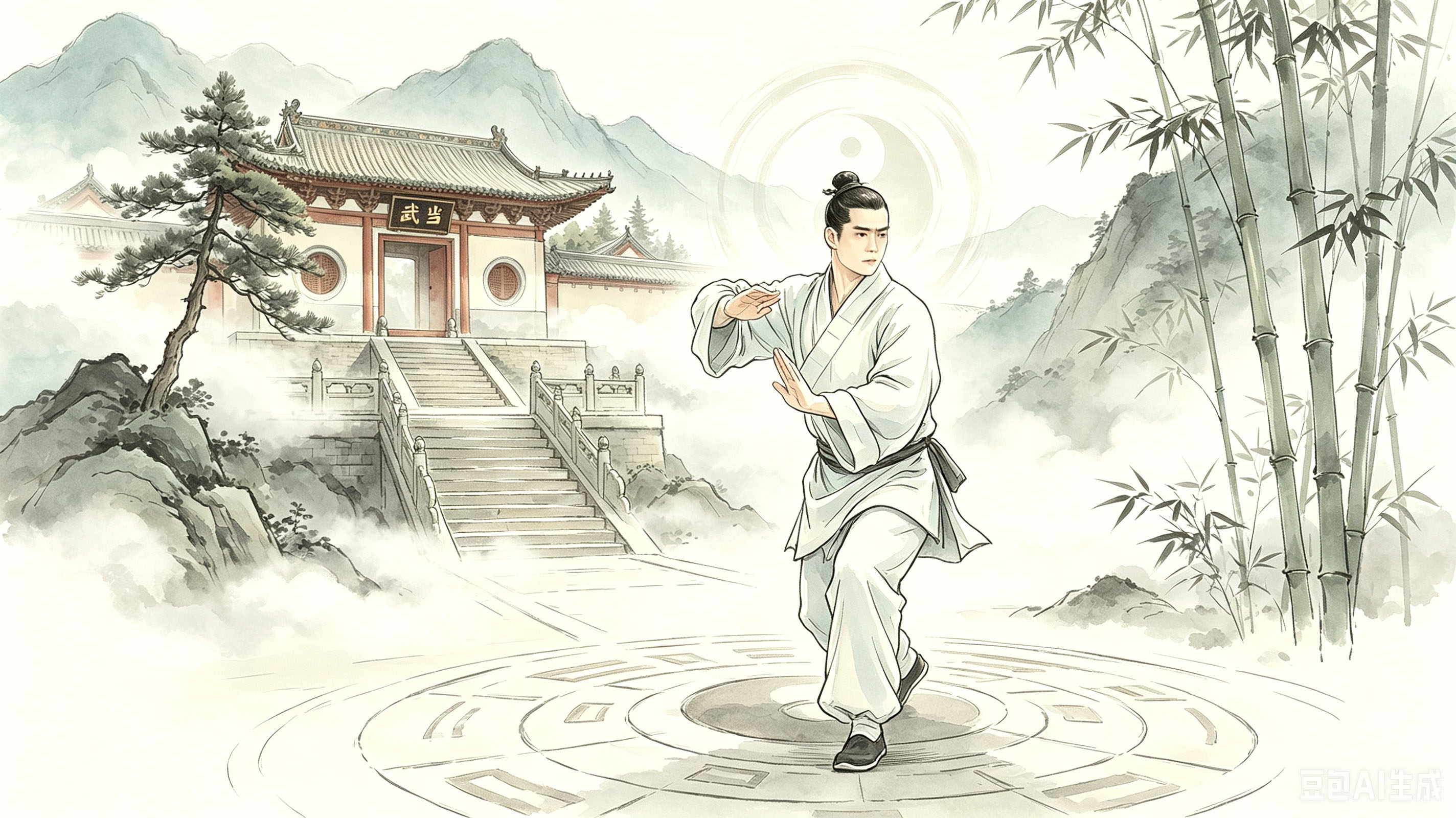
If Shaolin represents “hardness,” then Wudang represents “softness.” Originating from Mount Wudang in Hubei Province, Wudang is a leading school of “Internal Martial Arts.” It is deeply influenced by Chinese Taoism, with core concepts of “Follow the Way of Nature” and “Yin-Yang Balance.” Wudang martial arts do not advocate meeting force with force; instead, they emphasize “Softness Overcoming Hardness” and “Using Opponent’s Force Against Them.” For those accustomed to the “power versus power” of Western competitive sports, Wudang martial arts (such as Tai Chi) offer a new way of using the body: guiding internal energy flow through breathing, intent, and smooth movements to achieve physical and mental harmony.
3. Emei School: The Spirit of Bashu, Unity of Hardness and Softness
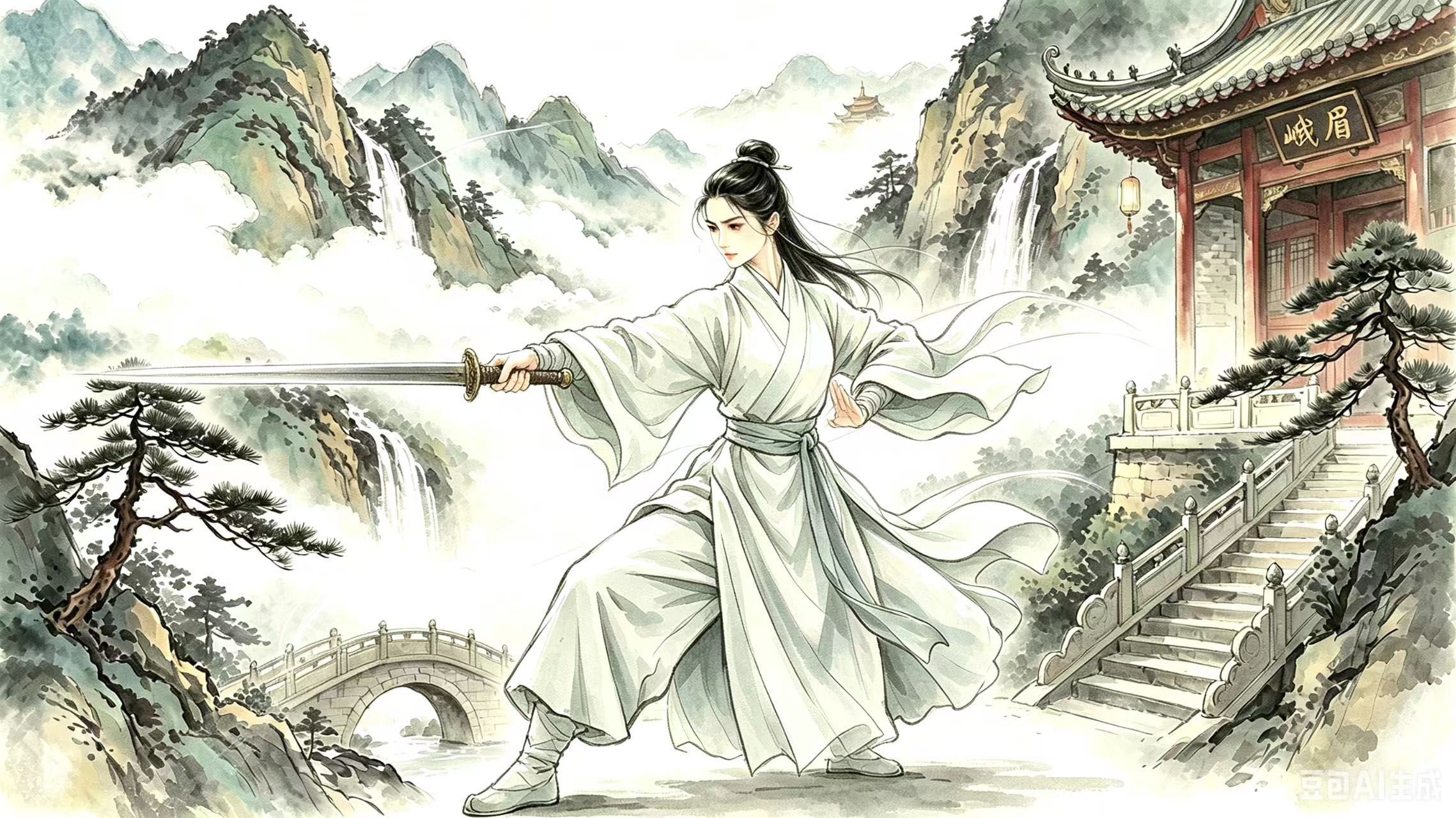
Mount Emei, located in Sichuan Province, gave birth to the distinctive Emei martial arts. Its style sits between the hardness of Shaolin and the softness of Wudang, with the core principle of “Unity of Hardness and Softness.” Influenced by the mountainous and spatially confined terrain of the Bashu region, Emei techniques are compact, emphasizing the ability to switch between offense and defense within a very small space (described as “fighting in a space barely big enough for a cow to lie down”). Furthermore, Emei martial arts preserve many delicate and agile techniques (such as Emei Pier / Daggers), challenging the stereotypical “male-dominated” image of traditional martial arts, and presenting a body art with distinct Eastern aesthetics.
4. Southern Fist: Combat Wisdom Shaped by Geography
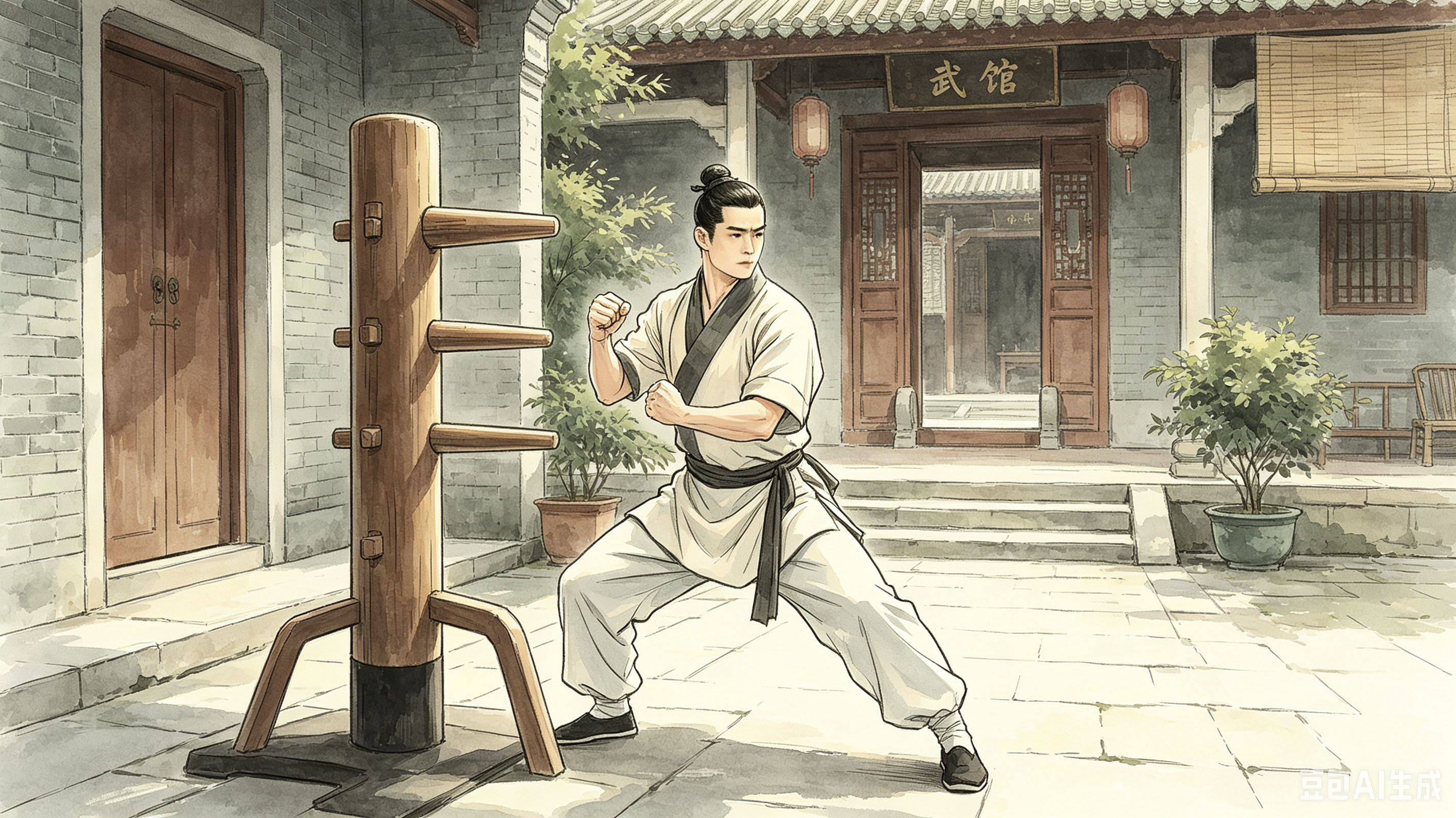
Southern Fist is not a single school, but a general term for many fist styles in southern China. Its formation perfectly illustrates how “environment shapes culture.” Southern China is characterized by dense waterways, narrow streets, and a life often lived on boats. This determined that Southern Fist rarely uses high kicks, but instead places extreme emphasis on a stable lower base (“Hard Bridge Hard Horse”) and short-range explosive power (“Inch Power”). In Western combat sports, these compact, practical techniques emphasizing close-range explosiveness remain highly valuable for practical combat research.
5. Kongtong School: Unconventional and Unique Weapons
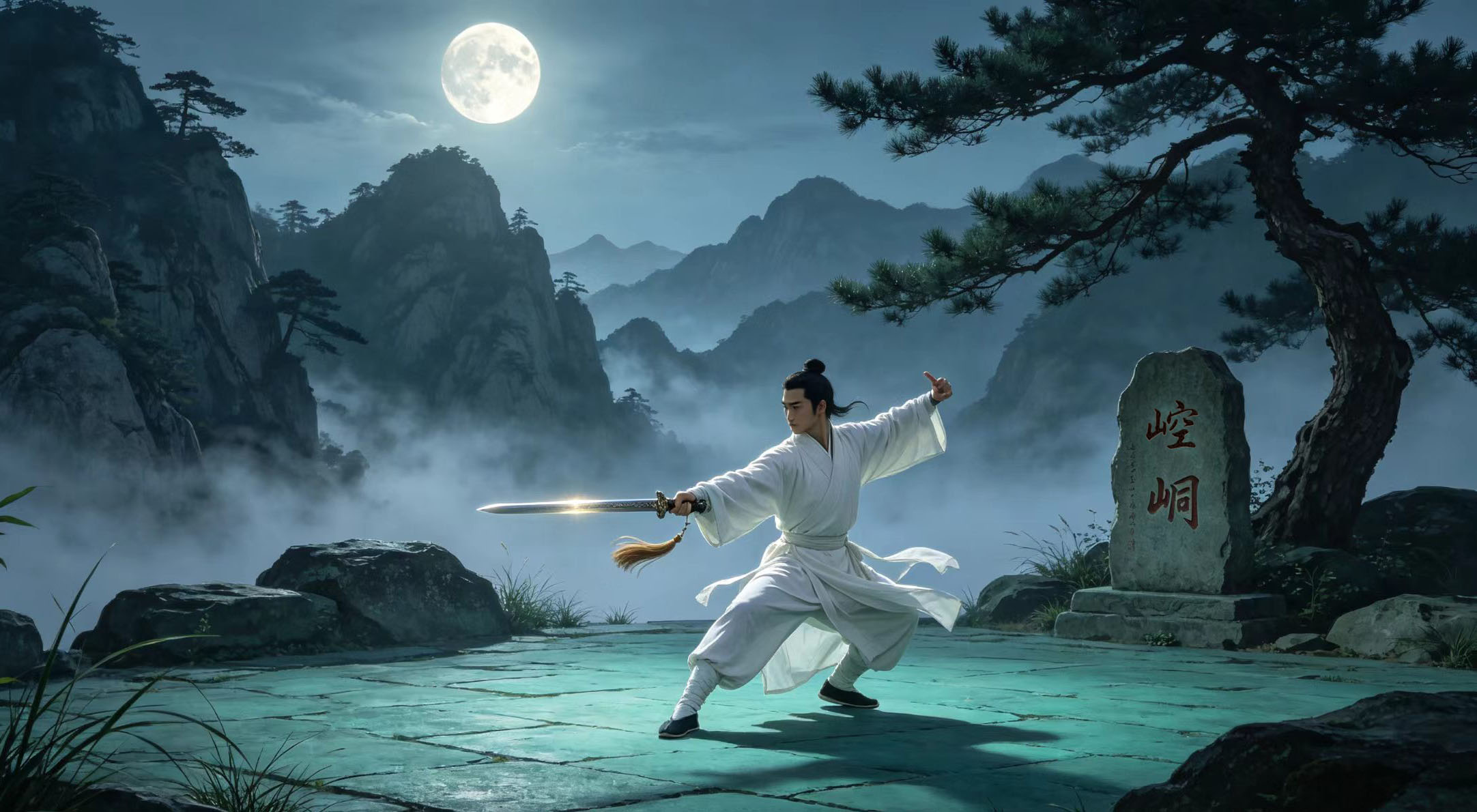
Originating from Kongtong Mountain in Gansu Province, Kongtong School integrates Confucian, Buddhist, and Taoist cultures. Although given a mystical aura in martial arts novels, the real Kongtong martial arts are equally filled with wisdom. Its most distinctive feature is “unique weapons”–in addition to the standard broadsword, spear, sword, and halberd, Kongtong preserves many small, concealable, and easily portable specialized implements. This reflects the tactical thinking of “catching the opponent off guard” in ancient Chinese martial arts, as well as a survival philosophy of adapting flexibly to complex environments.
6. Kunlun School: A Multicultural Martial Arts Fusion

Rising in Linqing, Shandong Province, Kunlun is a highly distinctive branch within the Chinese martial arts system. With Hui martial arts as its foundation, it showcases the strong inclusiveness and multicultural fusion of Chinese culture. Kunlun’s techniques form a complete system of their own, preserving rich ethnic characteristics while demonstrating how people from different cultural backgrounds exchange wisdom and improve their physical health through the common language of martial arts.
The fascination of Chinese martial arts lies in the fact that it is never confined to “winning or losing.” Whether it is Shaolin’s self-discipline, Wudang’s balance, Emei’s agility, or Southern Fist’s practicality, they all represent ways in which the Chinese explore themselves and understand the world.